 RelatingDating as a trans lesbian: queer apps, lesbian spaces and T4TMost queer women's apps and many lesbian spaces now say trans women belong. How to find them, what to watch for, and where dating other trans women fits in.
 RelatingCuffing season: what it means, and dating through the winterCuffing season is slang for pairing up as the nights draw in. Here is where the phrase comes from, what is behind it, and how to date through winter on your own terms.
 IdentityGender-neutral pronouns in Spanish, French and other languagesIn English, a neutral pronoun does most of the work. In French, German, Spanish, Italian, Polish and Portuguese, gender runs through the whole sentence, and each language has built its own answer.
 RelatingReverse image search your dating profile before someone else doesA photo is a search term. Here is what Google Lens, TinEye and face search engines can find from yours, and what to do if someone uses it against you.
 CultureMagnus Hirschfeld and the Institute for Sexual ScienceA Berlin doctor, a villa near the Reichstag and fourteen years of work the Nazis tried to burn: what the record shows, and where historians disagree.
 RelatingComing out at work as trans or non-binary: a practical planWho to tell first, how colleagues hear, what changes in email, badges and payroll, and where the law stands in some countries. You decide the pace.
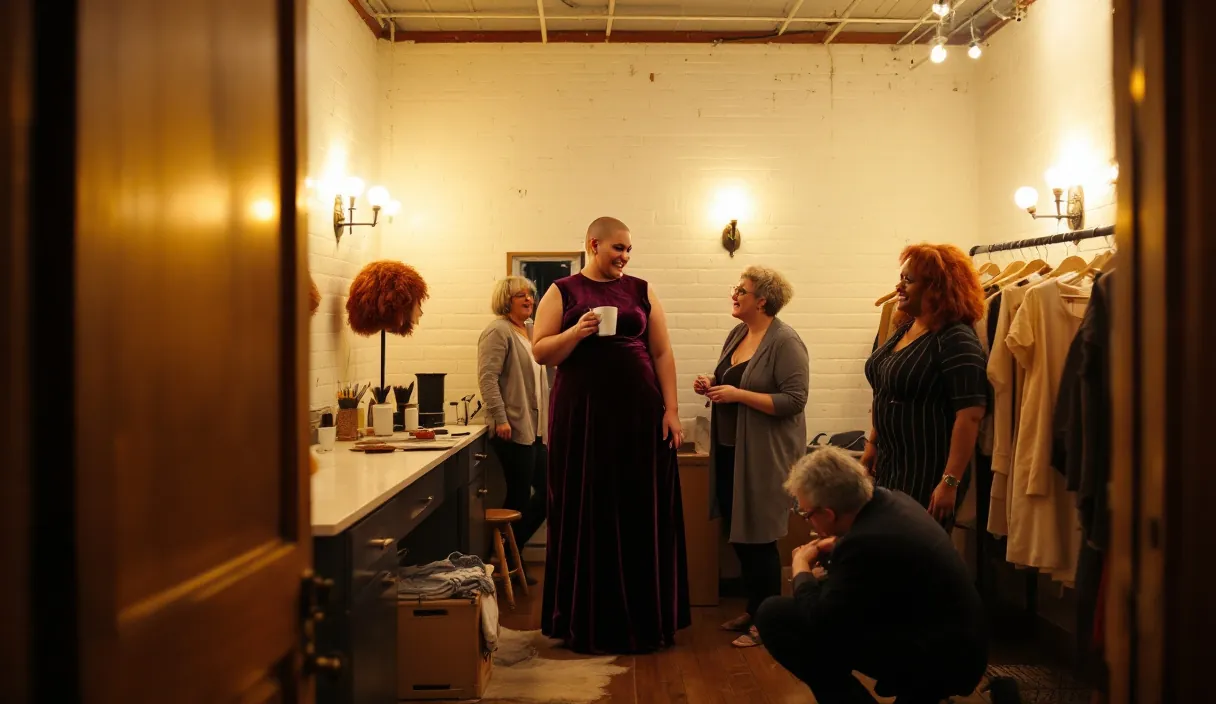 IdentityDrag vs trans: why drag and being trans are not the same thingDrag is something people do on a stage; being trans is who someone is, on stage and off. Some people are both, and most are one or neither.
 RelatingNon-binary dating: words, pronouns, red flags and where to meetBeing non-binary changes the questions dating asks: which words, which pronouns, which people. What non-binary daters report, and what actually helps.
 CultureTrans men in history: the lives behind the firstsFrom a soldier of the Spanish Empire to a Brazilian writer whose name is on a gender identity bill: eight lives, told only as far as the sources allow.
 RelatingHow to ask a match out without pressure, and take a no wellAsking a match out is mostly about making it easy to answer: a clear plan, somewhere public, and a no that costs nobody anything.
 IdentityLGBTQIA+ meaning: what each letter stands for, and why it growsLesbian, gay, bisexual, trans, queer or questioning, intersex, asexual, and a plus for everyone else. The letters are the easy part; who added them, and why, is the story.
 RelatingWhy LGBTQ dating apps are banned or blocked in some countriesA blocked app is a symptom. The law behind it, and the police who use the apps that still work, are the real risk, and no setting or VPN removes it.
 RelatingLove bombing signs on dating apps, and what to do about themA fast start is not a warning sign on its own. Pressure and isolation are, and the clearest test is what happens when you slow things down.
 RelatingHow to change your name on social media after coming outStep by step for each platform, checked against its own help pages in September 2026, plus the part the menus leave out: who still sees your old name.
 IdentityBisexual vs pansexual vs omnisexual vs polysexual, explainedFour words for attraction to more than one gender. They overlap far more than the arguments suggest, and the differences that remain are worth knowing.
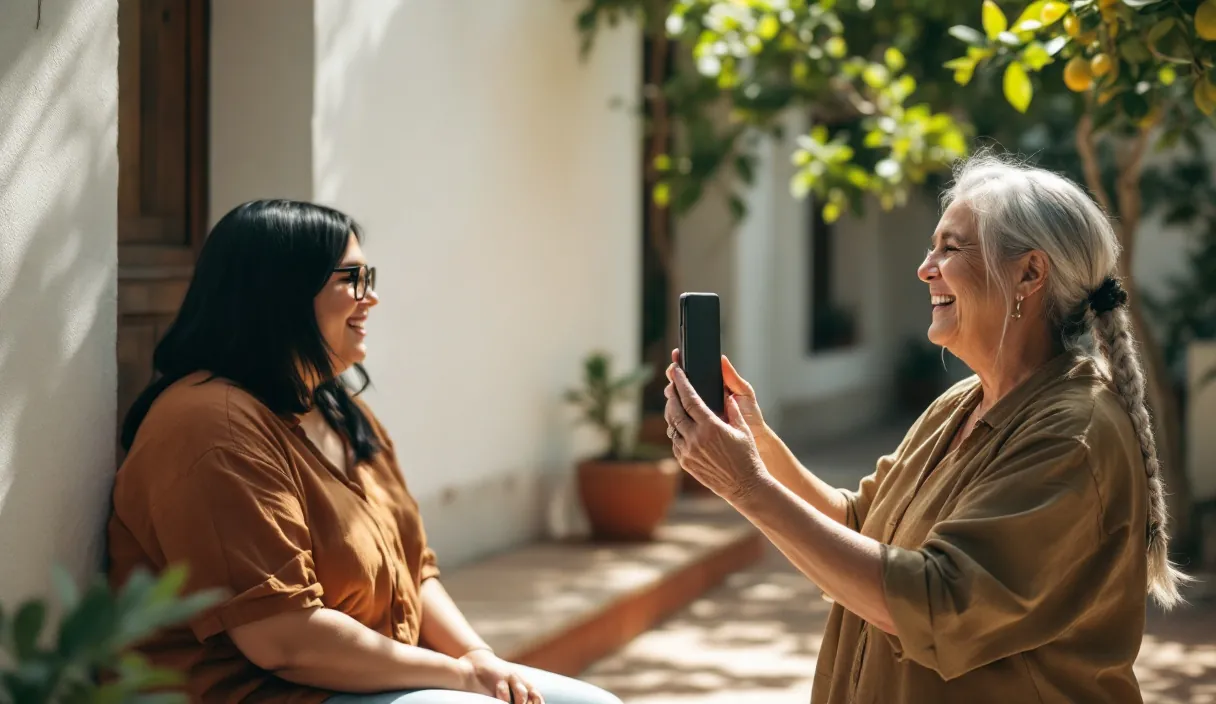 RelatingDating profile photos: what to show, and what to keep privateClear, recent photos that feel like you do most of the work. The rest is deciding what they reveal: your history, your street, and who gets to see them.
 CultureBi Visibility Day: its history, and bi trans and non-binary livesEvery 23 September since 1999. Who started it, why bi people still get read as straight or gay, and what that looks like when you are also trans or non-binary.
 RelatingTrans and non-binary on Tinder, Hinge and Bumble: what they allowAll three now let you be more than a man or a woman. How far that goes, who sees you, and what happens when someone reports you for existing still differ a lot.
 RelatingDating app verification: what it checks, and where it failsA verified badge proves a live person looks like their photos. It says nothing about who they are or what they want, and it can trip up trans people in particular ways.
 RelatingHow to hide dating apps on your phone when being trans isn't safeHiding the icon takes a minute. The traces around it take longer, and no setting protects you from someone who can make you unlock the phone.
 RelatingHow to avoid chasers on dating apps: settings and where to lookNo setting can read why someone is interested in you. The app you pick, who can see you and what reaches your inbox still decide how much of your evening chasers get.
 RelatingWhat makes a dating app safe for trans people: a checklistThere is no safest dating app, only apps that are safer on points you can check. Here is what to look for, and where each app keeps the answer.
 CultureCompton's Cafeteria riot: the trans uprising before StonewallIn August 1966, trans women and drag queens fought back against the police in a San Francisco cafeteria. Nobody wrote it down at the time. Here is what is known, and what is not.
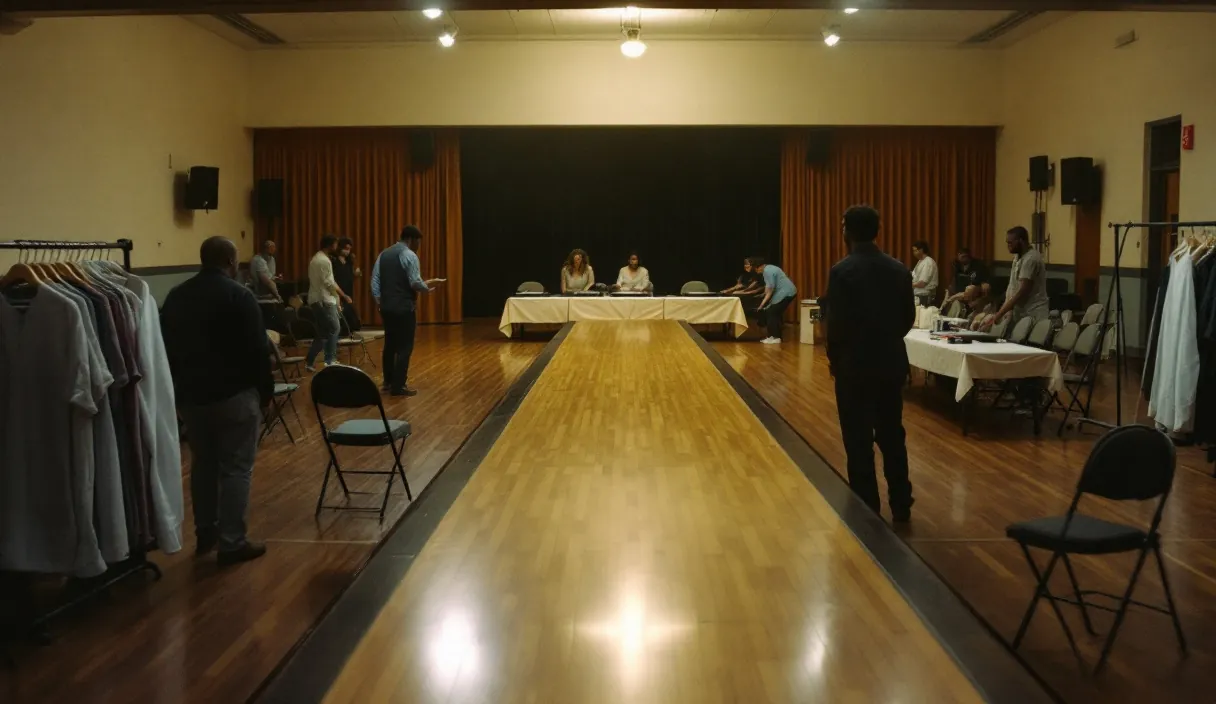 CultureParis Is Burning: the film, the people and the ballroom sceneA documentary about New York's drag balls in the late 1980s that took voguing, reading and shade to the wider world, and has been loved and argued about ever since.
 RelatingTypes of ethical non-monogamy, and how to tell which fitsOpen, swinging, monogamish, polyamorous or anarchic: what each style looks like in an ordinary week, where the arguments are, and how to say which one is yours.
 IdentityWLW meaning: how it differs from sapphic and transbianThree words often used as if they were one. Two describe where attraction goes, one describes a person, and the difference shows most on a dating profile.
 CultureNon-binary haircuts: what each cut signals and how to askNo haircut is non-binary on its own. Length, sides, fringe and volume are signals you can mix: how they work, what each cut asks of you, and how to get the one you want.
 IdentityPronouns in email signatures: how to add them, and whether toA few words after your name are all it takes. Formats that work, what to write if you use neopronouns or any pronouns, and why nobody should ever be made to add them.
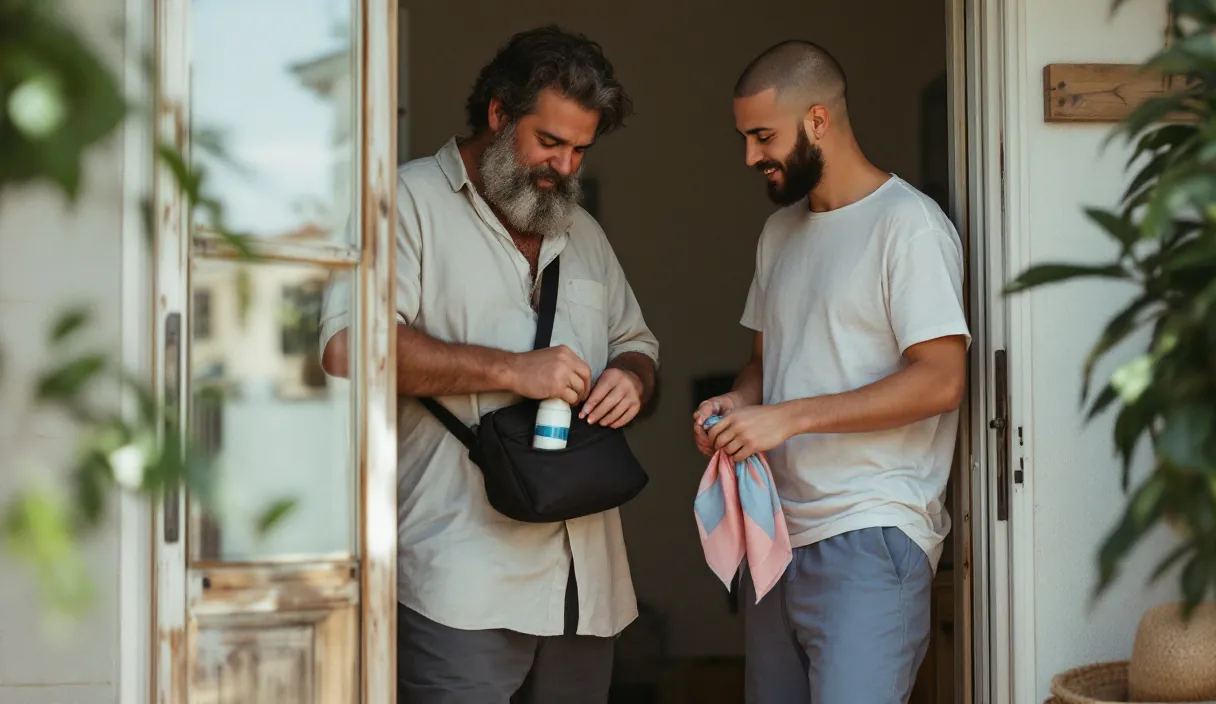 CulturePride outfit ideas: flag colours, comfort and safetyOutfits built on the trans, non-binary, genderfluid and other flags, from head-to-toe to barely there, plus what to pack for a long, hot day.
 CultureTrans anime characters: who is canon and who is fan-readFrom Wandering Son to Skip and Loafer: which anime characters are trans or non-binary, how we know, and which portrayals come with a warning.
 CultureTrans Awareness Week: dates, history and how to take partEvery year from 13 to 19 November, the week before Trans Day of Remembrance. What it is for, why its origins are hazy, and how to take part without being out.
 CultureTrans Day of Remembrance: its history and how to take partEvery 20 November, vigils read aloud the names of trans people killed in the past year. Where the day came from, what the lists miss, and how to take part while looking after yourself.
 CultureLGBTQ+ awareness days: a month-by-month calendarThe LGBTQ+ days, weeks and months worth knowing if you are trans or non-binary: when they fall, who started them, and which ones are really only American or British.
 CultureNational Coming Out Day: its history and what it means11 October, since 1988. Where the day came from, how it spread, and why, for trans and non-binary people, coming out is never just one day.
 CultureLGBTQ+ History Month: when it is, and trans history to knowOctober in the US, February in the UK, other months elsewhere. Where the month comes from, and ten moments of trans history worth knowing.
 CultureLGBTQ+ symbols: what ⚧, the triangles and the lambda meanThe signs that came before, and alongside, the flags: where the transgender symbol, the pink and black triangles, the lambda and the green carnation come from, and which are still used.
 CultureTrans and non-binary films and series worth watchingDocumentaries, features, series, classics and the famous films trans viewers argue about: who made each one, why it matters, and what to know first.
 CultureBooks by trans and non-binary authors worth readingNovels, memoir, history, poetry, comics and young adult books by trans and non-binary writers, including books first written in six other languages.
 CultureNon-binary names: gender-neutral names and their meaningsNames used for any gender, from Rowan to Temitope, with their origins and meanings, how people choose one, and which names are shared in six countries.
 CultureHow to choose a new name, and how to try it outWhere to find a name, how to test it somewhere that doesn't matter, how to tell people, and what to do if it stops fitting. Plus a long list to start from.
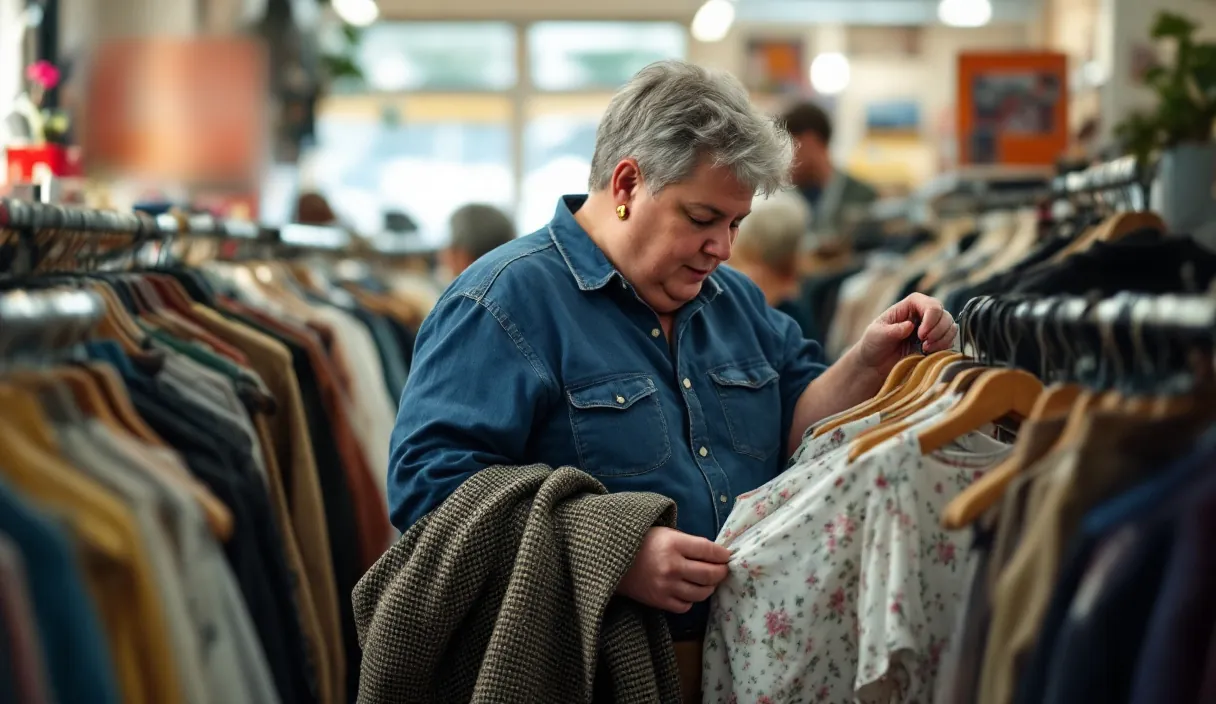 CultureAndrogynous style: haircuts and clothesA look that mixes masculine and feminine codes, or steps around them: the haircuts to ask for, the clothes that do the work, and why no body owns it.
 CultureChristine Jorgensen: the ex-GI whose transition made headlines in 1952In December 1952 a New York newspaper turned a young American's transition into a sensation. What Christine Jorgensen did with the attention mattered more.
 CultureWho was the first transgender person?There is no single first. There is a long history of people living outside the gender they were assigned, and a much shorter history of medicine noticing.
 CultureLili Elbe: the painter behind The Danish GirlA Danish painter who became one of the first people to undergo gender-affirming surgery, and whose story was later told, and retold, by others.
 CultureSylvia Rivera: the activist who would not be quietedA Latina trans activist from New York who fought for the people the gay rights movement of her time was happy to leave behind.
 CultureMarsha P. Johnson: who she was, and what the P stood forA Black activist, performer and fixture of New York's streets, whose generosity is remembered as clearly as her activism.
 CultureTrans Day of Visibility, Day of Remembrance and other dates to knowThe awareness days that matter to trans, non-binary, bi, ace and intersex people: when they fall, where they come from, and what each is for.
 IdentityWhat does sapiosexual mean, and why is the word contested?Attraction to intelligence, named. It is also the one orientation label people argue about, and the argument is worth understanding before you use it.
 FlagsWhy are there so many lesbian flags?Five flags, thirty years, and two of them are unusable. The full history, and which one people actually fly now.
 CultureWhat does twink mean, and where did the word come from?Slim, young, smooth, usually gay. Where the word came from, what it costs the people it lands on, and why it is not a compliment or an insult.
 CultureWhy does T4TSpace have no ranking algorithm?Ours sorts profiles by four rules you can read, the same for everyone, and stops there. Why that choice costs us something.